
Primary year programme (IB PYP)
The Primary School Programme of the Miras International School is designed for students aged 3 to 10 (11) years and is based on the core principles of the International Baccalaureate Primary Years Programme (IB PYP) and the Kazakhstani educational standards.
4
Languages Taught
6
Transdisciplinary Themes
3–10(11)
Student Age Range
PYP
IB Authorized
Learning is based on inquiry approach
Education is based on an inquiry-based approach: children learn to ask questions, analyze information, work in teams, and apply knowledge in real-life situations.
Continuous development: from kindergarten to 4th grade
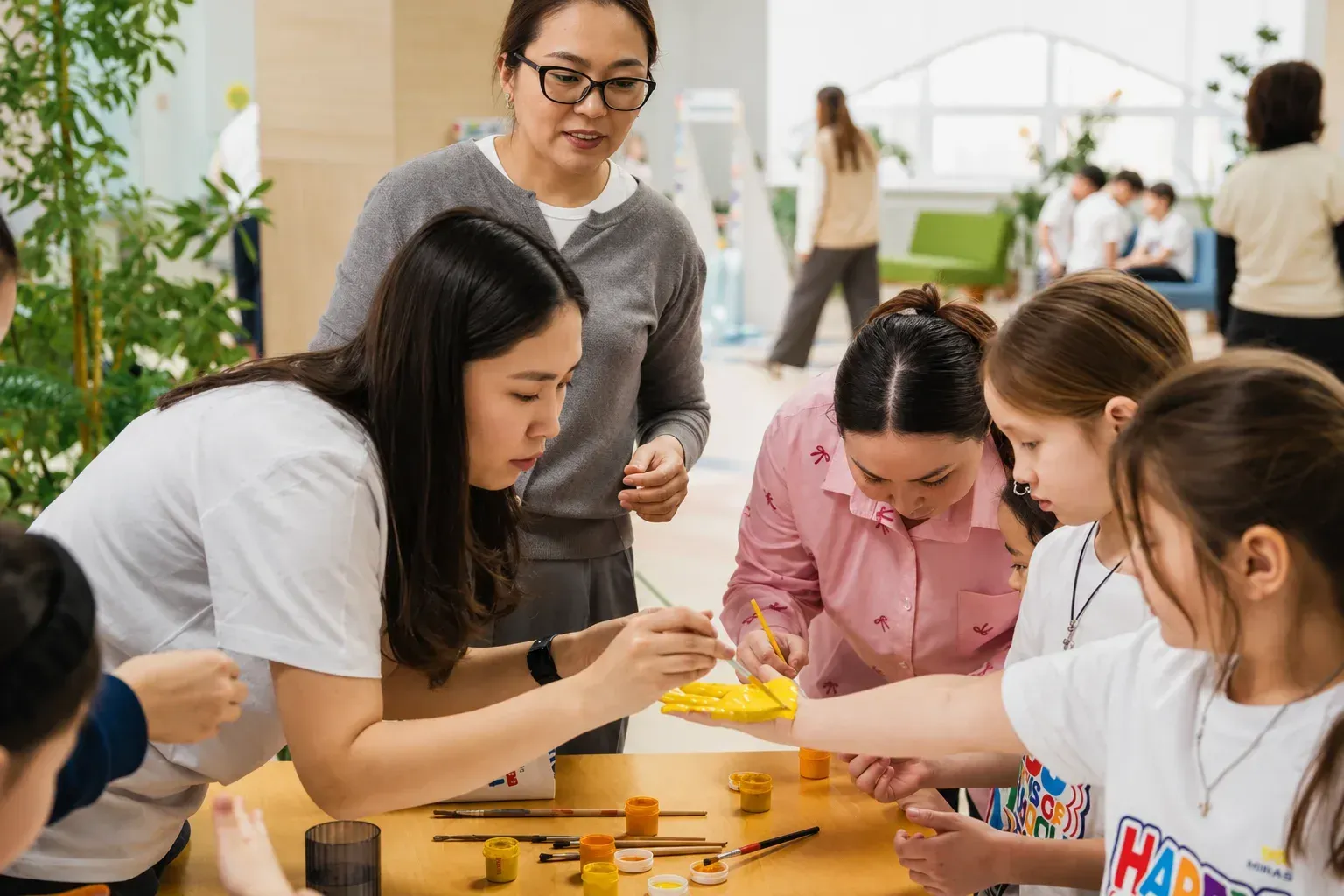
The primary level education includes:
The educational programme is designed as a unified system in which each stage helps the child gradually develop independence, confidence, academic skills, and a curiosity about the world.
- kindergarten (3–5 years)
- preschool (5–6 years)
- primary school (1–4 years)
Inquiry-based learning
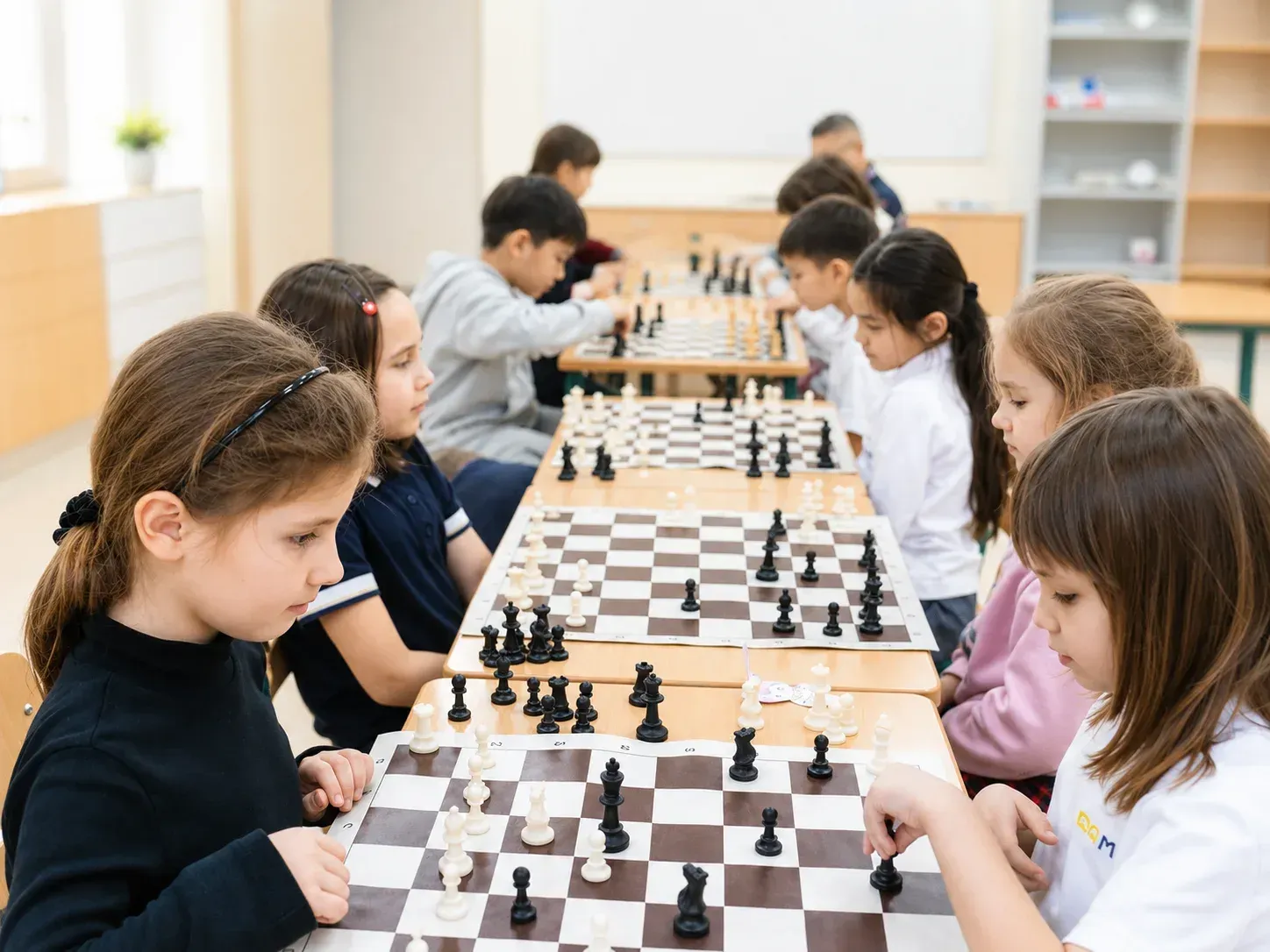
The programme is based on the 6 transdisciplinary themes of the International Baccalaureate:
- see connections between areas of knowledge
- ask questions and seek answers
- analyze information
- work independently and in teams
- apply knowledge in real-life situations
This approach develops critical thinking, curiosity, and a lasting interest in learning.
01
Who we are?
An inquiry into the nature of the self; beliefs and values; personal, physical, mental, social, and spiritual health; and human relationships.
02
How we express ourselves?
An inquiry into the ways in which we discover and express ideas, feelings, nature, culture, beliefs, and values.
03
How we organize ourselves?
An inquiry into the interconnectedness of human-made systems and communities; the structure and function of organizations.
04
Where we are in place and time?
An inquiry into orientation in space and time; personal histories; discoveries, explorations, and migrations of humankind.
05
How the world works?
An inquiry into the natural world and its laws; the interaction between nature and human societies.
06
Sharing the planet
An inquiry into rights and responsibilities in the struggle to share finite resources with other people and living things.
Multilingual educational environment
One of the key features of the programme is multilingual learning.
From an early age, children study:
Special attention is given to the English language. Daily language practice and the gradual increase in the number of subjects taught in English allow children to confidently continue their education at the next IB levels.
- Kazakh language
- Russian language
- English language
STEAM and 21st-century skills
The primary school programme is aimed at developing modern skills that children will need in the future:
The STEAM approach and project-based learning are integrated into education from the primary school level.
- critical and creative thinking
- inquiry skills
- communication and teamwork
- digital literacy
- independence and responsibility
Art, sport and personal development
Important components of the educational environment include:
This approach helps children develop holistically, unlock their abilities, and gain confidence in themselves.
- music
- choreography
- visual arts
- physical education
- personal and social development
Future skills
Primary school education is aimed at developing skills that help children learn confidently, interact with the world around them, and adapt to change.
Students develop:
- critical and creative thinking
- research and communication skills
- independence and responsibility
- teamwork skills
- digital literacy and presentation skills
The final project of primary school is the PYP exhibition.
The final stage of learning is an exhibition of individual and group projects, where students demonstrate their research skills, ability to work in teams, and apply knowledge in practice.
A learning environment where it is engaging to learn
Miras Primary School creates an environment where children maintain their natural curiosity, learn to think independently, and confidently interact with the world around them.